There’s a sweet spot between spontaneity and planning when it comes to getting tattooed. Walk-in tattoos scratch the itch for something small and quick, but most great pieces start with a thoughtful tattoo appointment and a solid conversation with an artist. If you’ve never booked before, the process can feel murky. Even seasoned collectors sometimes struggle with timing, deposits, and communicating design ideas. I’ve worked with clients on both easy single-needle wrist pieces and multi-session back projects, and the same truth holds: a well-handled booking sets up a smooth day in the chair and a tattoo you’ll love for years.
Start with the why, then the where
Before you message a tattoo studio or a tattoo and piercing studio, take a beat to figure out what this tattoo needs to do for you. Mark a milestone, cover a scar, fill a sleeve gap, or simply spark joy when you catch it in a mirror. Purpose shapes placements, styles, and even which tattoo artists you should consider.
Location matters too, and not just on your body. A busy downtown tattoo parlor might excel at walk-in tattoos and flash, while a custom tattoo shop tends to prioritize longer consults and bespoke designs. Neither is better across the board. If you’re after a micro piece that takes 20 minutes, a local tattoo shop with open walk-in hours might get it done the same day. If you want layered black and grey tattoos with realistic shading, you’ll probably want a specialist and a booked tattoo appointment.
Translate an idea into a usable brief
People arrive with everything from a napkin sketch to a full Pinterest board. Both can work, but your goal is a clear brief, not a rigid blueprint. Think in terms of references, not replicas. Artists build from source material to create something that fits your anatomy and their style.
Be concrete about your constraints. Maybe you work in scrubs and need something that won’t rub under a watchband. Maybe you want a piece that ages well without constant touch-ups. That kind of context helps more than a thousand photos. I like to hear three things early: why you want it, where it goes, and what mood you want the piece to carry. For example, “a fine line hawkmoth on the forearm, airy and botanical, nothing heavy” gives a tattoo artist a better starting point than, “something cool with a moth.”
Style language helps too. If you’re not sure whether your idea suits American traditional tattoos, fine line tattoos, or realism, look at portfolios and note what you consistently gravitate toward. Traditional packs bold lines and a limited palette that ages nicely. Fine line looks delicate but requires precision and will blur faster if placed on high-friction spots. Black and grey tattoos hit a classic, photographic vibe, and they often heal more predictably on a wide range of skin tones.
Research artists like it’s a collaboration, not shopping
Every artist is an entire skill set, not just an Instagram grid. Start with the work, then dig into how they communicate, how their healed pieces look, and what they won’t do. Good tattoo artists decline projects that don’t fit their strengths. That’s not gatekeeping, it’s quality control.
Look beyond single images. Do they show healed tattoos, not just fresh work under studio lights? Healed photos tell you how saturation and line weight hold up. Check captions for process notes. Some artists love tattoo cover-ups, others prefer untouched skin. If you need a cover-up, scroll for examples and pay attention to how dense the existing piece is. A heavy black block needs a different strategy than a faded outline.
Portfolio chemistry matters. If an artist shines at black and grey portraiture, they might not be the best pick for folky American traditional tattoos. If your heart is set on ethereal fine line tattoos with negative space, don’t try to hire someone known for thick, graphic linework. You can admire an artist and still choose someone else for this particular piece.
The consult: where your idea becomes a plan
Many shops offer a tattoo consult, sometimes free, sometimes paid. For small pieces, you might hash details over email. For larger work, especially custom designs and sleeves, a sit-down consult is worth your time. Bring references that show direction, not scripts. If you love the posture of a crane in one image and the brushy peony leaves in another, say so. If there’s a cultural element or symbol, explain your connection. Artists respect context and want to avoid missteps.
Sizing and placement are the most misunderstood parts of a consult. A client might point to the finger for a delicate script and ask for it to stay hair-thin forever. Skin and physics have opinions. Fingers shed ink faster because you use them constantly. Fine lines widen as they heal. Additional hints A good artist will suggest slightly thicker lines or a different spot for longevity. That’s collaboration working as intended.
Budget comes next. Prices vary by city, artist, and complexity. Some artists charge by the piece, others by the hour. In major cities, hourly rates often land between the price of a modest dinner and a premium concert ticket per hour, sometimes higher for sought-after artists. Large black and grey tattoos or detailed color pieces can span multiple sessions. Ask for a range, but understand that the final time can shift based on skin type, pain tolerance, and revisions.
Deposits, timelines, and the unglamorous logistics
Expect to put down a deposit when you book, usually credited toward your final cost. Policies vary. Many deposits are nonrefundable, though some can be transferred once if you reschedule within a set window. Read the fine print in the booking policy, and don’t be the person trying to bend rules the morning of your appointment. Artists block time for you and turn down other clients to hold that slot.
Wait times are real. A popular artist can be booked out for weeks or months. Meanwhile, flash day events at a busy tattoo parlor might let you snag something sooner. There’s no hack around a good waitlist except planning ahead. If your tattoo marks a life event with a firm date, book early and build in padding.
For multi-session projects, you’ll often space appointments four to eight weeks apart. Skin needs to heal, and artists want to see how lines settled before packing in more shading. For cover-ups, longer healing between passes can be especially helpful. Some clients also do a laser lightening pass before a cover-up, which improves options for new design and color. If you’re considering this route, bring it up in the consult and ask for referrals. Not every tattoo studio offers laser, but many have a trusted partner.
Deciding between walk-in and booked
There’s a romance to walk-in tattoos. You get an urge, you meet an artist on the spot, you pick flash from the wall or present a small idea, and an hour later you walk out with a clean bandage. Walk-ins work best for modest designs with clear boundaries, like a small American traditional rose or a simple symbol. They’re less suited for large placements, detailed custom work, or anything requiring tight composition across body contours.
An appointment makes sense when resizing, stenciling, and technical planning will take time. Back pieces, rib work, intricate fine line florals that need to flow around muscles, and script that must read cleanly across the forearm all benefit from a booked slot. Some custom tattoo shops don’t take walk-ins at all and only operate by appointment, which keeps their schedules predictable and their designs dialed.
How to reach out without getting lost in the inbox
The fastest way to a useful reply is a clear, respectful inquiry. Most artists prefer email through their website or a direct booking form rather than DMs, which are easy to miss. A solid first message includes your idea in one or two paragraphs, the desired placement and size in inches or centimeters, a few reference images attached, and your availability. If you have flexible hours, say so. If your schedule is tight, offer specific windows.
Avoid drive-by questions like “How much for a tattoo?” with no details. That forces guesswork. Include your city if the artist travels or works in multiple locations. If a tattoo and piercing studio coordinates bookings for their artists, follow their instructions. Every studio has its own flow.
Here’s a simple, effective structure for a first message you can adapt:
- A brief description of the tattoo concept with any personal context that affects design. Placement and approximate size in realistic terms, plus a quick note on skin considerations if relevant. Preferred style references, attached as images, with a line or two on what you like in each. Your availability over the next several weeks and whether weekends or weekdays work best. Any hard deadlines, like a trip that would affect aftercare.
Keep it friendly and concise. You’re starting a conversation, not writing a novel.
Designing for the body you have
Tattoos look their best when they listen to anatomy. A band around a calf should account for taper. A sternum piece needs to flow with the ribcage. A shoulder cap asks for curvature and scale. A good artist will propose adjustments that make the tattoo live comfortably on you, not on a flat screen.
Healed results matter just as much as day one. Fine line tattoos read elegantly on forearms and upper arms, but they can blur quicker on fingers, feet, and high-movement areas. American traditional tattoos hold structure thanks to thicker outlines and limited color palettes. If you want your tattoo to age like a vintage patch, traditional is forgiving. If you want an airy botanical accent, fine line can be gorgeous, but place it where the skin is stable and be ready for potential touch-ups down the line.
Skin tone and undertone inform color choices. Bright yellow might sink on deeper tones, while rich reds and saturated blues pop beautifully. Black and grey tattoos are timeless for a reason. They suit a wide range of skin tones and rely on contrast rather than pigment hue. If you plan a cover-up, the new design needs to be at least as dense as what lies beneath. Think larger, bolder, and with strategic shading, or consider laser lightening first.
The day-before checklist you’ll be glad you followed
Booking is only half the story. Showing up prepared makes a noticeable difference for both you and your artist. Eat a solid meal the day of, hydrate well the day before, and rest. Lack of sleep amplifies pain signals. Avoid alcohol for 24 hours. It thins the blood and can make you bleed more, which affects how cleanly ink sits. If caffeine makes you jittery, consider keeping it light that morning.
Wear clothing that grants access to the area and won’t rub the fresh tattoo on the way home. Bring a layer; studios can be cool for sanitation reasons. If you’re allergic to latex, adhesives, or chlorhexidine, tell the shop before they start. If you’re sick, reschedule. Your immune system has better things to do, and most studios will work with you if you give reasonable notice.
Payment details can save you scrambling. Some shops are cash-only for tips or even for services. Ask ahead and bring what’s requested. Tipping norms vary by region, but most clients tip in the same neighborhood as service industries when they’re happy with the work. For larger projects that span multiple sessions, some people tip each visit, others tip heavier on the final session. If you’re unsure, ask the front desk quietly.
During the session: communication, pain, and pacing
A good artist will walk you through setup, stencil placement, and what to expect. Stencil approval isn’t a formality. Walk to a mirror, twist, flex, and make sure placement sits right with your posture. If you want it half an inch higher, say so now, not once the needle starts.
Pain varies. The outer upper arm is chill for most. Ribs, sternum, and back-of-knee can be spicier. If this is new for you, think of pain as waves, not a flat line. It spikes, it settles, and breaks help reset your tolerance. Numbing creams are a mixed bag. Some artists allow specific types when applied correctly and timed right, others avoid them because they can change skin texture during the session. Ask your artist in advance. Springing a numbing cream at the appointment can derail prep.
Music helps. Slow breathing helps more. I’ve seen clients go from white-knuckled to relaxed by switching to measured inhales and long exhales. If you need a pause, speak up. Artists want you steady, not stoic to the point of fainting. Eat a snack on long sessions. Bring water. Respect the station and keep your limbs where the artist guides you. The less your body moves, the cleaner the lines.
Aftercare that actually works
Every shop has its own aftercare sheet. Follow it. The principles are consistent. Keep it clean, keep it lightly moisturized, protect it from friction and sun, and don’t pick the flakes. Whether you leave with a breathable adhesive bandage or traditional plastic wrap for the first hour, ask for specifics. Saniderm-style bandages stay on for a day or two, sometimes a little longer, then you remove, wash gently, and switch to a thin layer of fragrance-free moisturizer.
The first week is the danger window for irritation, friction, and over-moisturizing. A tattoo wants to be a little dry while it peels, not glossy. If it looks like frosting, you applied too much product. Dial it back. Avoid submerging it in pools, hot tubs, or baths until the top layer fully heals, typically two weeks. Showers are fine.
Sun is the enemy of saturation. Use SPF after it heals, and understand that touch-ups are a normal part of tattoo life. Most shops offer a complimentary touch-up within a certain timeframe for small fixes. If you skipped aftercare or tanned it on day three, that might void the offer. Be honest with your artist, and they’ll be honest with you.
Special cases: cover-ups, first tattoos, and big commitments
Cover-ups are puzzles. The old lines show through like fibers under paper unless you account for them. A successful cover-up often grows larger than the original to balance density and create a focal point. Black and grey tattoos work beautifully for cover-ups with layered shading. Color can help too, but you usually avoid large light areas where dark lines live underneath. Laser lightening removes some of the old saturation and opens up design options. One to three sessions can drastically improve your cover-up canvas, but you’ll need patience and healing time between treatments.
First tattoos carry their own pressure. Clients sometimes over-research and end up paralyzed. Trust your taste, then trust your artist. Pick a spot you can see easily if you want to admire it without acrobatics. Start at a scale that lets details read. Tiny lettering looks crisp on day one and like a fuzzy code five years later if it’s too small. If the idea still thrills you after two or three weeks of sitting with it, book it.
Large commitments like sleeves or back pieces succeed when you zoom out. Don’t cram unrelated ideas edge to edge without flow. Good sleeves breathe. They mix anchor motifs with background that ties them together, whether that’s wind bars, smoke, or botanical forms. Book your tattoo appointment with an artist who builds compositions, not just individual stickers. You can absolutely add over time, but plan a path.
Picking the right shop environment
A beautiful portfolio is only half the experience. A clean, organized studio with clear procedures protects you. Look for sterilization indicators, single-use needles, wrapped equipment, and artists washing hands and wearing new gloves after touching anything non-sterile. The best tattoo shop for you also makes you feel welcome. If you’re a woman booking a sternum piece, or if you’re nonbinary or trans, ask about privacy options and pronoun usage up front. Many studios take pride in accessible, inclusive practices. If the vibe feels off, trust that feeling and keep looking.
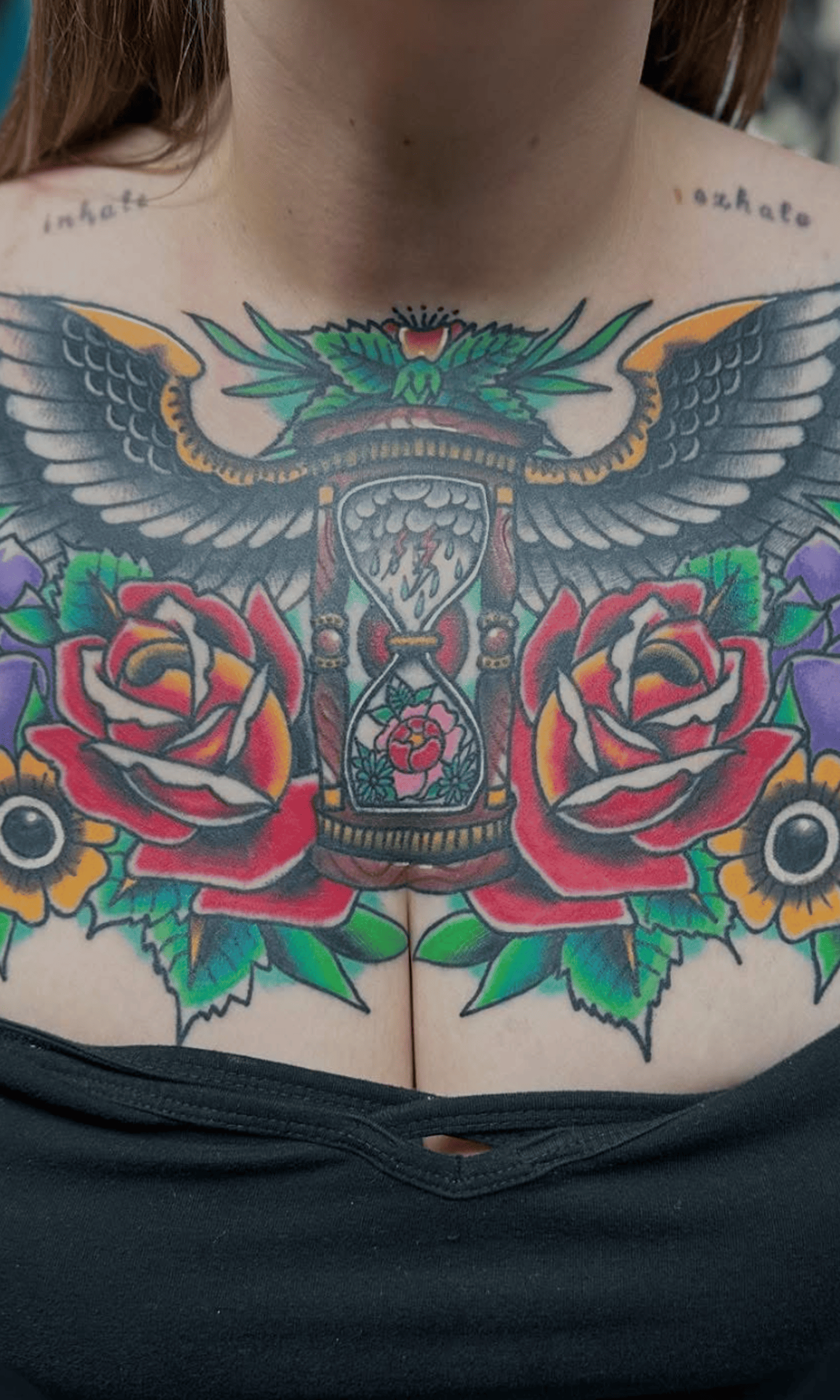
If you need both piercing and tattoo services for a coordinated aesthetic, a tattoo and piercing studio can streamline your visits. Just don’t try to do a piercing right next to a fresh tattoo. Give healing space between procedures, and ask staff how to sequence them.
Red flags and green lights
You can learn a lot from how a studio or artist handles basic questions. If someone pressures you to book immediately without answering policy questions, be cautious. If you ask about a cover-up and they promise to make a dense black piece vanish under a tiny watercolor feather, that’s magical thinking. On the flip side, green lights include clear aftercare instructions, realistic talk about aging and placement, and a portfolio that shows healed work on different skin tones.
How to handle design revisions without derailing the project
Revisions are normal. Two to three rounds for a custom piece is standard in many shops. If you need wholesale changes late in the process, be prepared for additional design fees or a new booking. Communicate preferences early and give consolidated feedback rather than trickling notes over a week. Saying “I want the snake’s head smaller and the flowers looser, but keep the same energy” is actionable. Saying “dunno, can we try something different?” without specifics stalls momentum.
When to chase the deal and when to pay the premium
Budgets are real, and good work exists across price ranges. Apprentices and newer artists charge less, and some are fantastic for linework or small designs as they build experience. If you’re getting a modest script on the forearm, a rising artist at a local tattoo shop might be perfect. If you’re commissioning a full rib panel in delicate fine line with botanicals, pay for the specialist. Tattoos are permanent in both directions, the good and the not-so-good.
A note on traveling for tattoos: people do it for a reason. If the right artist lives a flight away, consider the total cost, including time off and potential follow-up sessions. For big pieces, it can still make sense to invest in the travel, especially if the artist’s style is specific and hard to find locally.
What happens if you need to reschedule or cancel
Life loops curveballs. Most studios tattoo studio allow rescheduling if you give notice, usually 48 to 72 hours. Same-day cancellations typically forfeit your deposit because the artist can’t fill that slot. If you’re sick, communicate as early as possible. If you need to cancel the project outright, accept the deposit loss and be kind in your message. Artists remember clients who respect their time.
A simple path from idea to healed tattoo
Here’s a short, practical sequence that keeps the process moving without friction:
- Define your idea’s purpose, placement, size, and style preferences, then gather two to five reference images. Research artists whose portfolios match the style, and check for healed work and similar projects. Send a concise inquiry with details, photos, availability, and any deadlines; schedule a tattoo consult if needed. Confirm budget, deposit, and policies; book the tattoo appointment and set reminders for prep and aftercare. Show up rested and fed, communicate clearly during placement and breaks, and follow the aftercare plan until fully healed.
That order minimizes back-and-forth and sets you up for a smooth experience.
Final thoughts from the chair
The best tattoo experiences feel like teamwork. You bring your story and your taste. Your artist brings technical skill, design judgment, and a steady hand. A thoughtful booking, a good consult, and realistic expectations turn nerves into excitement. Whether you find yourself at a buzzing tattoo parlor on flash day or perched in a quiet custom tattoo shop for a half-sleeve session, remember that the process is part of the memory. Ask questions, listen to advice, and give the tattoo the aftercare it earned.
A decade from now, the difference between a rushed walk-in and a well-planned appointment will still show. So will the trust you built with the person holding the machine. That’s the quiet magic of a great tattoo: a collaboration that outlasts the afternoon, captured in ink that grows with you.